Angel Square, London
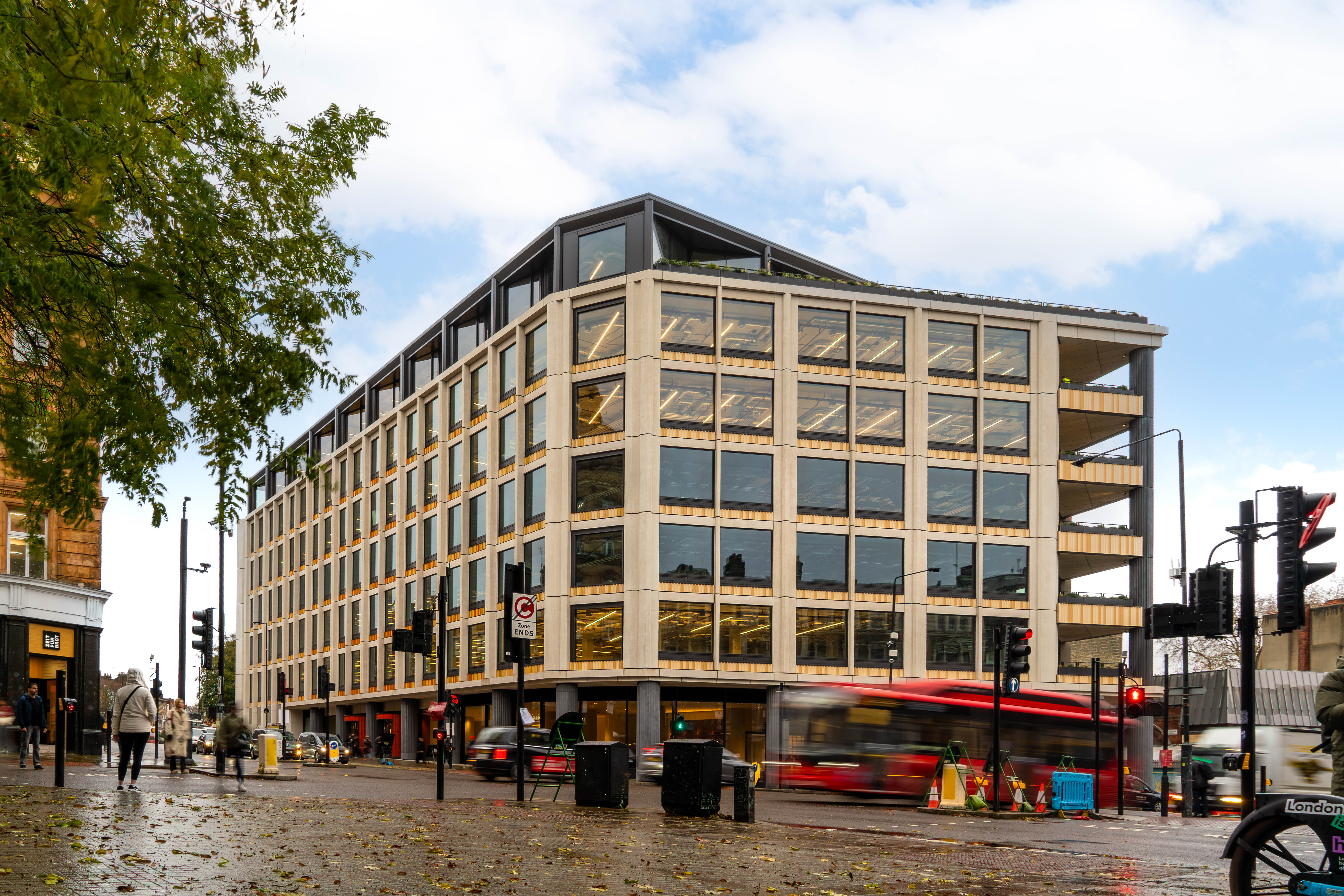
132,000 sq ft office space in three linked buildings reimagined to create one 293,000 sq ft seven-storey building.
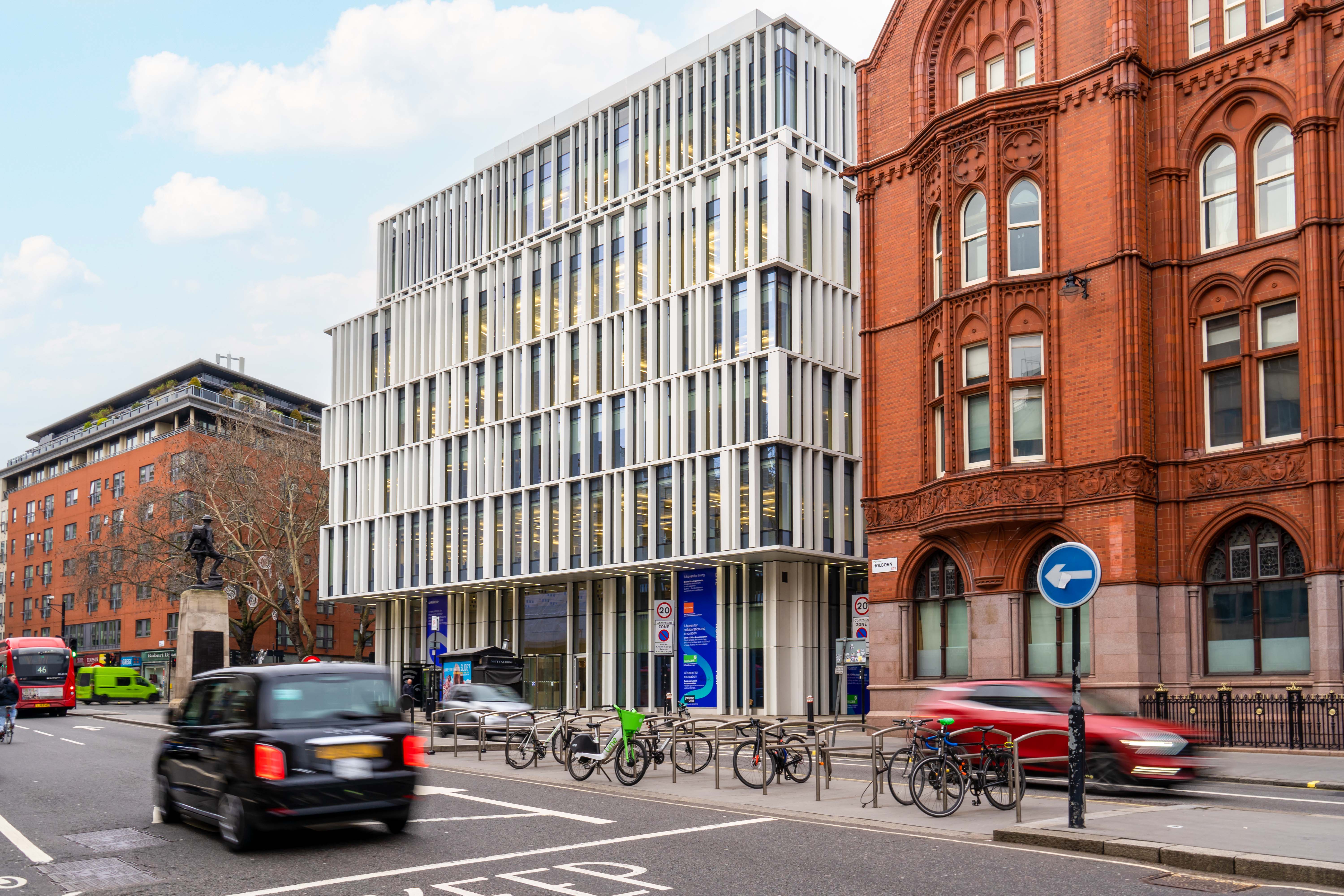
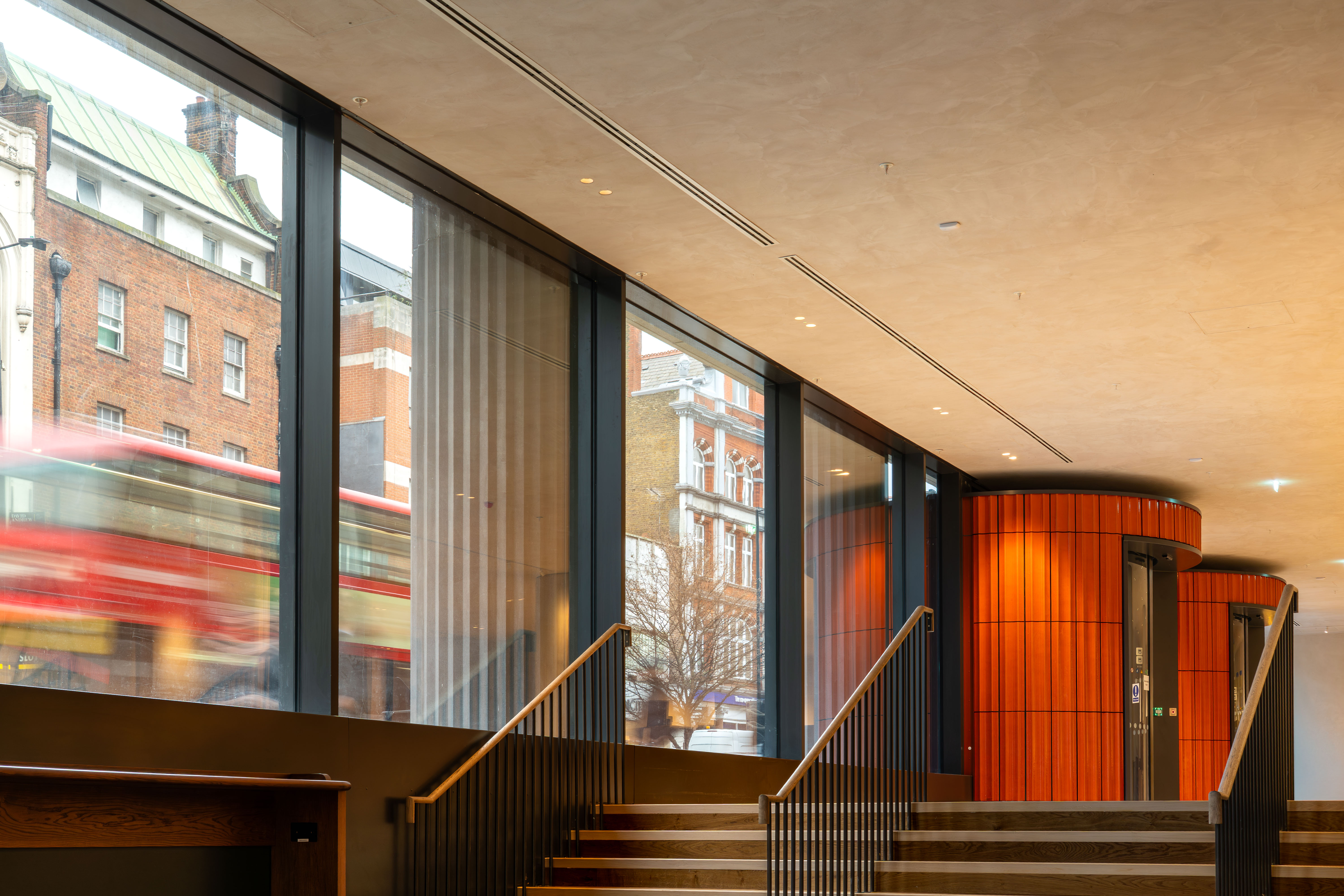
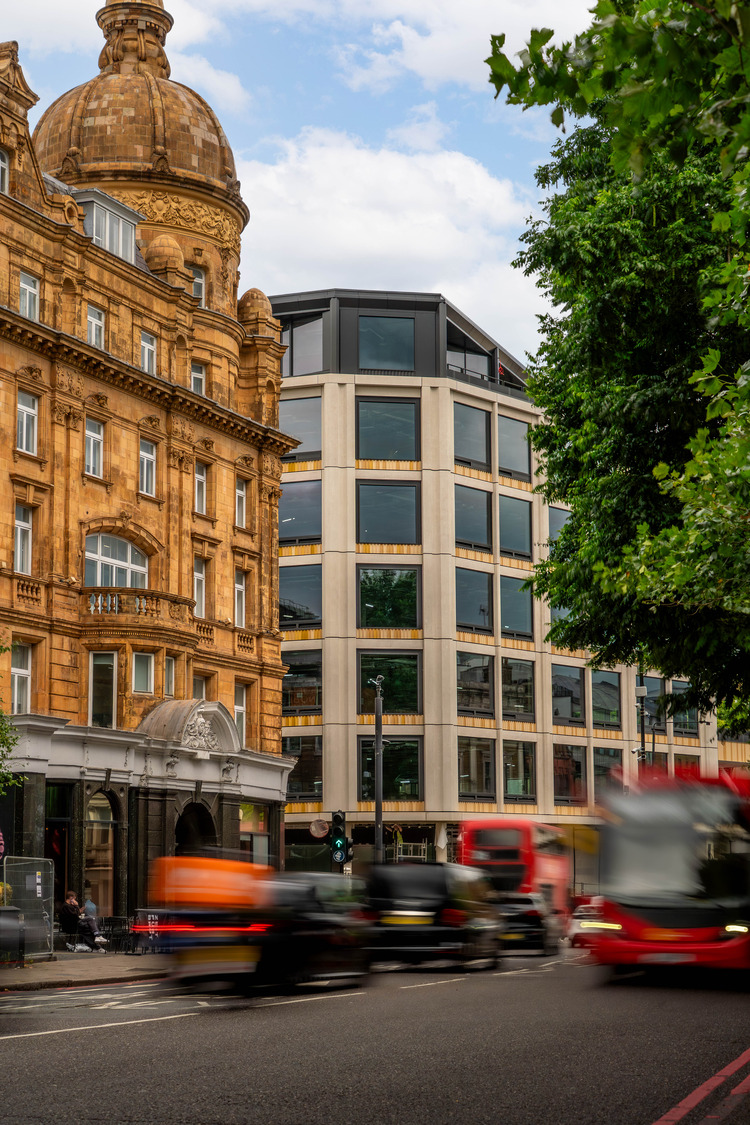
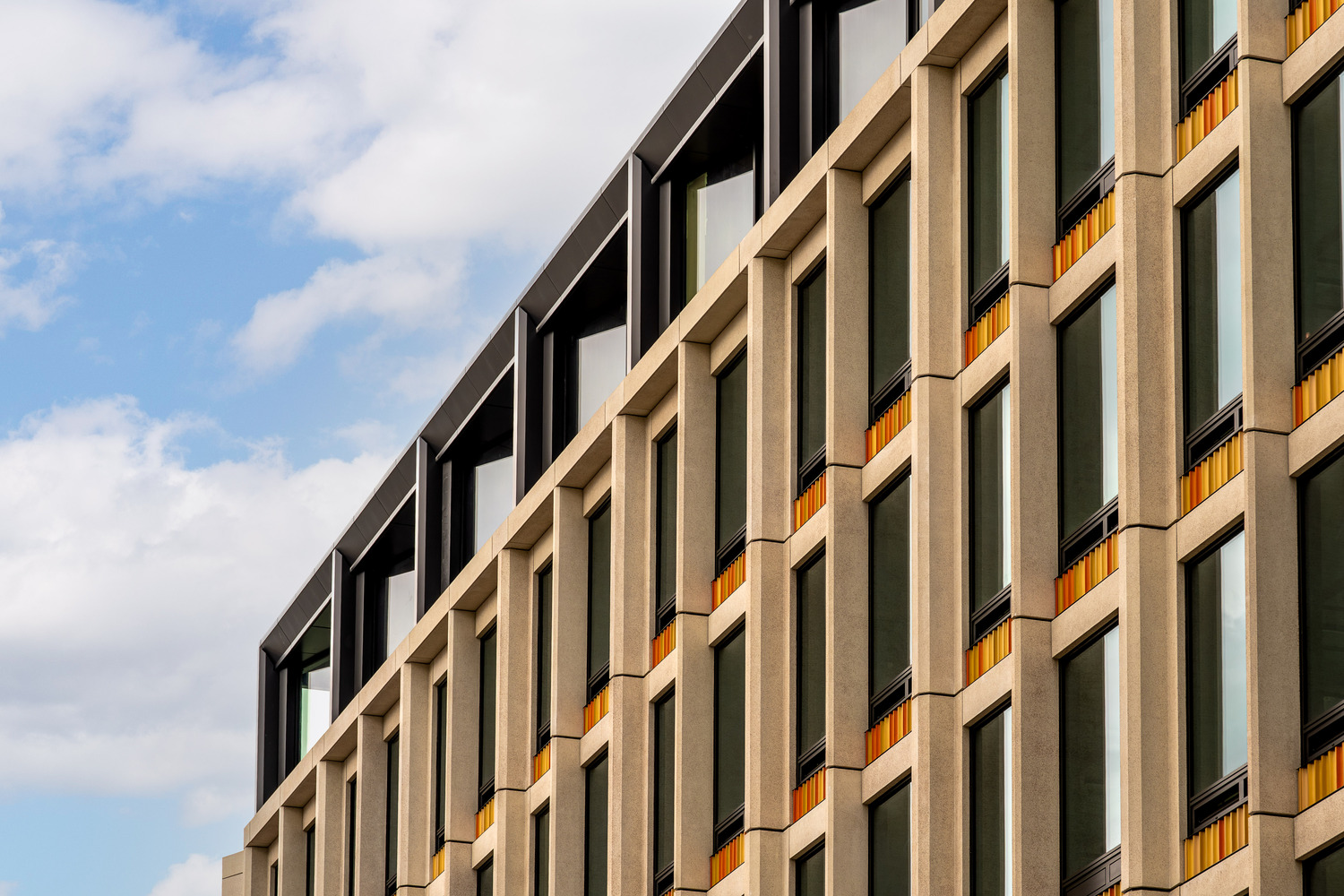
Tishman Speyer’s refurbishment of Angel Square transforms 132,000 sq ft of office space in three linked buildings to create one 293,000 sq ft GIA building. A new glass reinforced concrete (GRC) façade replaces the original 1980s brick façade. In addition to 188,000 sq ft of first-class office space, the new design includes affordable workspace, a replacement public house and a café. McLaren’s shell and core contract included Cat A fit to all floors and installation of new MEP, largely relocated from the roof to the basement.
Key points

Re-use of existing structure
Heavy refurbishment of existing structures is increasingly vital as a sustainable way of meeting occupier demands for modern office space with high environmental performance.
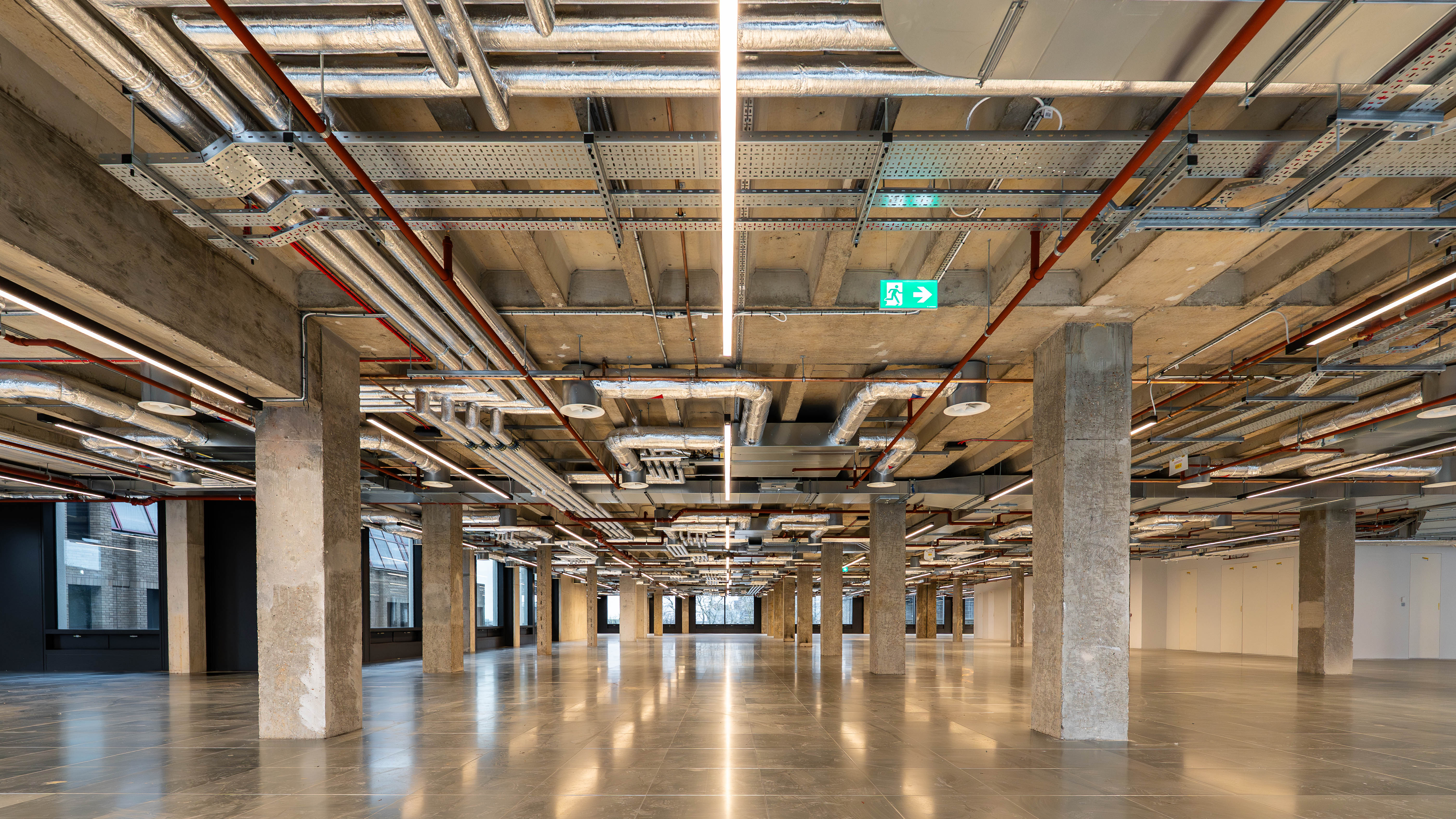
The comprehensive refurbishment at Angel Square retained around 80% of the existing structure, infilling a central courtyard and adding two new floors with roof terraces after demolition of the upper level. The cores were moved to a central position, freeing space and opening up floor plans.
The building’s embodied carbon was significantly reduced through use of the existing ribbed reinforced-concrete frame, but remodelling an existing building on a constrained site required ingenuity. Extensive temporary works supported two tower cranes positioned on the former roof, which was becoming the fifth of seven floors.
Working above an Underground station
Working above the Northern Line station at Angel meant maintaining emergency access through the site for Transport for London (TfL) and working around thousands of commuters passing the site every day. The core was started around a TfL storeroom, before it could be surrendered and demolished.
Creating social value
The site scored 45/45 from the Considerate Constructors Scheme, an indication of a project team doing as much as possible to minimise the inevitable impact on neighbours and offer benefit to the community.
Local employment was a high priority, with a total of 28 team members living in the borough. The 14 construction trade apprentices on the site all lived locally and the team was pleased to work with a prisoner on day release, who continued to work on the project after leaving prison.
The project acted as an exemplar for those considering careers in construction. The team hosted five work placements, worked with the Euston and Kings Cross skills centres and supported the local National Apprenticeship Week Careers Fair and the Islington Green Skills Fair.
Demonstrating McLaren’s commitment to its trainees, one-time apprentice James Preston was promoted to site manager at Angel Square, a role in which he now acts as a strong role model and mentors others.
Sustainability
The finished building has achieved NABERS 5-star, EPC A and WELL Platinum and is on course for BREEAM Outstanding.
McLaren contributed to sustainability by using hydrogenated vegetable oil (HVO) for fuel in its equipment, recycling materials through Protec’s Proplex closed remanufacturing scheme, using Protec Correx protection sheets and sourcing 100% sustainable steel where rebar was needed to fill in the existing frame.
The use of Protec Correx protection sheets alone saved the equivalent of 4.55t CO2 and diverted 6.89m3 from landfill.
New technology
The project piloted new technology for McLaren, using helmet-mounted cameras to generate a point cloud in OpenSpace to track progress on site and compare the design with actual conditions. The system was then rolled out across McLaren’s projects.
